
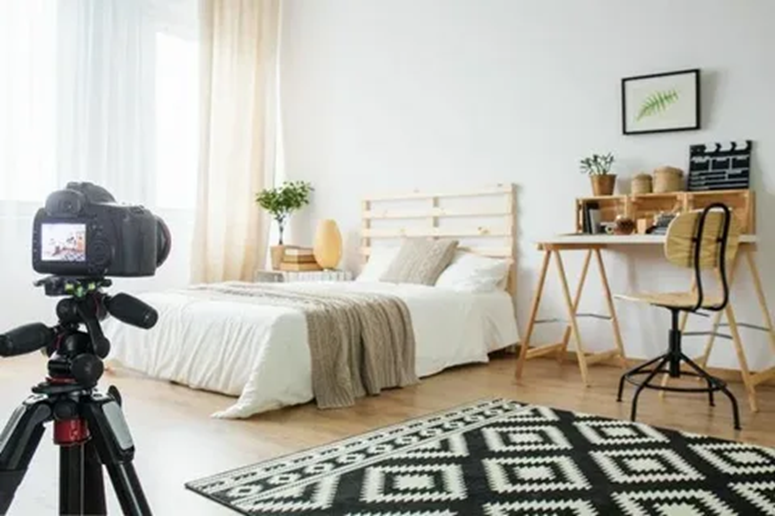
Interior photography has become an essential tool for designers, realtors, and business owners looking to highlight a space and attract clients.
To achieve high-quality, professional photographs, it’s essential to consider certain requirements and guidelines, from proper site preparation to proper shooting technique.
For those looking to quickly and easily book a photo shoot at https://lavradar.com/interiors, there are numerous services and professional photographers offering high-quality services. However, even when hiring professionals, it’s important to know the basic requirements and recommendations to ensure the results meet expectations and effectively promote real estate or interior design.
Rules for Professional Interior Photography: What Beginners Need to Know
Before starting an interior shoot, it’s important to complete the necessary preparatory work: choose the optimal time of day for natural light, prepare the space, remove unnecessary items, and ensure surfaces are clean. Good preparation significantly improves the quality of the photographs and creates a positive impression on potential clients or viewers.
The basic rules of professional interior photography include proper lighting, the use of appropriate equipment, and compositional techniques. For even illumination, it’s recommended to use multiple light sources or reflectors to avoid harsh shadows and overexposure. It’s also important to maintain proportions and perspective to ensure the interior appears spacious and harmonious.
Recommended Techniques and Tips for Beginners
- Use a wide-angle lens: it helps capture the maximum space and create a sense of volume.
- Keep horizontal and vertical: Align horizontal lines with a tripod and level to avoid perspective distortion.
- Work with natural light: Use daylight whenever possible, and add artificial lighting in the evening to balance colors.
- Keep the space clean and tidy: Shoot only neat spaces, avoiding cluttered rooms and chaos.
- Composition tip: Use different shooting angles to highlight the interior’s advantages and choose the most effective perspective.
Optimal Lighting for Interiors: Selecting and Setting Up Light Sources for Vibrant Images
Optimal lighting is achieved through the use of a variety of light sources, their proper combination, and Adapting to shooting conditions. Below are basic guidelines and rules to help you create vibrant, professional interior photographs.
Basic Principles of Selecting and Setting Up Lighting
- Use natural light: it provides soft and even illumination, minimizing shadows and creating a pleasant atmosphere.
- Supplement natural light with artificial sources: use studio and portable lights to compensate for insufficient light or create desired effects.
- Adjust power and color temperature: Choose sources with adjustable brightness and hue to achieve the desired atmosphere and avoid color distortion.
- Arrange light sources correctly: avoid harsh shadows and glare, direct the light to highlight the interior’s features and create volume.
- Use diffusers and reflectors: to achieve soft, even illumination and eliminate unwanted shadows.
Effective lighting in interior photography is the key to vibrant and professional images. It’s important to skillfully combine natural and artificial light, properly configure sources, and use special accessories to control lighting effects. Following these rules will allow you to capture clear, expressive photographs that accurately convey the atmosphere of the space and its architectural features.